
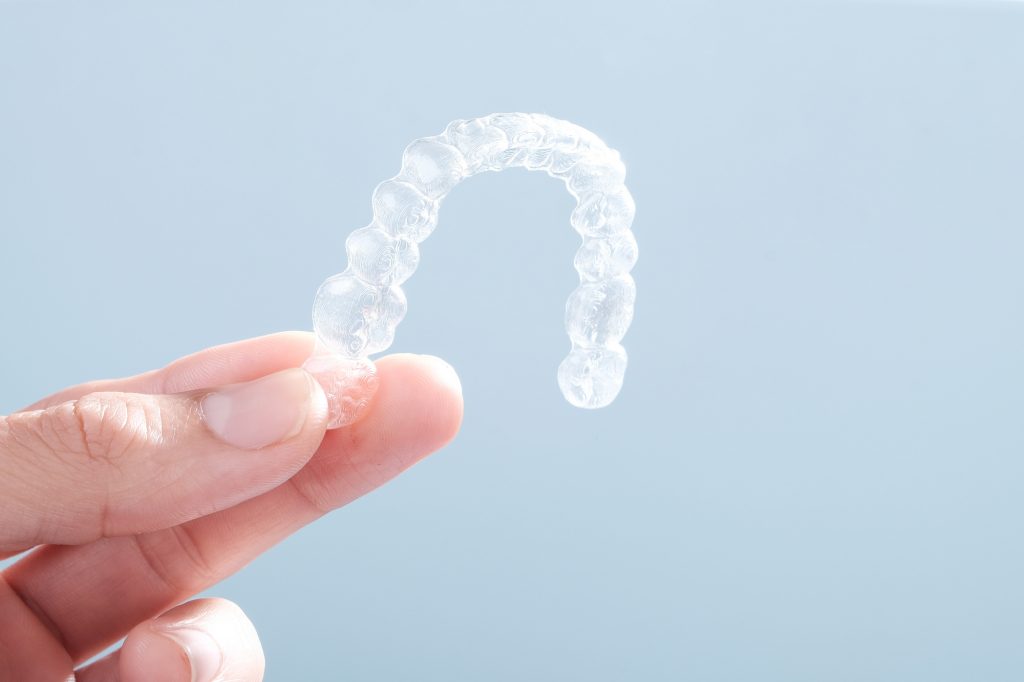
Is Invisalign Painful Compared to Braces? What to Expect
One of the first things patients ask us: how much will orthodontic treatment actually hurt? If Invisalign or traditional braces are on your radar, understanding what causes soreness and how each option differs helps you prepare for what’s ahead. Many patients across Massachusetts wonder whether Invisalign is painful compared to braces, and the honest answer depends on several factors, including your individual tolerance and the complexity of your case.
What Causes Pain With Invisalign and Braces?
Both Invisalign and braces cause discomfort by applying controlled, consistent force to shift teeth into better alignment. The soreness comes from pressure on the periodontal ligament, the tissue connecting your teeth to the surrounding bone, not from the appliance itself. That’s true regardless of which treatment you choose.
Invisalign uses custom thermoplastic aligners that fit snugly over your teeth. Braces rely on metal or ceramic brackets bonded to each tooth, connected by archwires. Each approach moves teeth differently, which affects how and when you experience soreness.
Here’s the bottom line: neither treatment is entirely comfortable, but the type and duration of soreness varies significantly between them. That’s exactly what our team walks patients through during a free consult.
How Soreness Differs: Invisalign vs. Braces Timeline
Invisalign causes mild pressure for one to three days per tray change, while braces tend to cause soreness for three to five days after each adjustment. The overall pattern follows different rhythms depending on your treatment choice.
Invisalign Timeline:
With Invisalign, you’ll switch to a new aligner tray every one to two weeks. Most patients notice mild pressure for one to three days after each switch. The tightness peaks on day one and gradually fades. By day three or four, most people forget they’re wearing aligners at all.
Braces Timeline:
Braces cause soreness after your initial placement first visit and again after each adjustment. This discomfort lasts three to five days in most cases. Your orthodontist tightens the archwire periodically, which restarts the pressure cycle.
| Factor | Invisalign | Traditional Braces |
|---|---|---|
| Initial discomfort | 1-3 days | 3-5 days |
| Recurring discomfort | Each new tray (1-3 days) | Each adjustment (3-5 days) |
| Soft tissue irritation | Rare | Common (cheeks, lips, tongue) |
| Emergency discomfort | Uncommon | Poking wires, broken brackets |
One key difference: braces can cause soft-tissue irritation from brackets rubbing against your cheeks and lips. Wires sometimes poke or shift, creating sharp spots that feel painful until calluses form. Invisalign’s smooth plastic surface rarely causes this type of irritation. Our AAO-member orthodontists help patients understand these differences during their first visit.
Comfort Advantages of Invisalign Over Traditional Braces
Invisalign patients frequently tell us they’re pleasantly surprised by how comfortable the treatment feels. Here’s why.
Smooth Plastic Means Less Irritation
Smooth plastic design eliminates the bracket and wire irritation that braces wearers deal with regularly. You won’t have metal edges catching on your cheeks or wires shifting out of place. The aligners sit flush against your teeth, so your lips and tongue glide over them without friction.
Fewer emergency orthodontist visits come with this territory, too, since there are no brackets that break or wires that poke. Brushing and flossing stay simple because you just pop the aligners out, which reduces your risk of cavities or gum inflammation during treatment.
Removability Makes a Real Difference
When you eat, you take your aligners out. Simple as that. Removing aligners prevents the discomfort that comes from food getting stuck in brackets or accidentally biting down on something hard that damages your braces. No food restrictions means no broken brackets from eating the wrong thing.
Invisalign also uses smaller tooth movements per aligner stage, creating gentler, more gradual pressure compared to the larger adjustments braces require at each tightening visit.
For patients who play sports or musical instruments, Invisalign reduces the risk of mouth injuries. Metal brackets can cut lips and cheeks during contact, while aligners don’t pose this risk.
What Hurts More: Invisalign or Braces?
Invisalign is more comfortable than braces for most patients. According to the American Association of Orthodontists, both treatments cause some level of discomfort as teeth move, but patient-reported experiences differ between the two. Invisalign patients consistently describe lower overall soreness, while braces wearers report both tooth pressure and physical irritation from the hardware.
In our experience, most Invisalign patients report lower discomfort levels throughout their treatment compared to braces wearers. The descriptions differ too: Invisalign feels like pressure or tightness, while braces create soreness combined with painful irritation from brackets and wires rubbing against soft tissue.
| Discomfort Type | Invisalign | Traditional Braces |
|---|---|---|
| Tooth pressure | Mild to moderate | Moderate |
| Soft tissue irritation | Minimal | Significant |
| Emergency events | Rare | More common |
| Overall patient-reported discomfort | Lower scores | Higher scores |
Braces cause more soft-tissue ulceration and cheek irritation, particularly in the first few weeks. The brackets and wires rub against the inside of your mouth until calluses form. Many braces patients use dental wax frequently to create a barrier between the metal and their cheeks.
Complex orthodontic cases add another consideration. If your treatment plan includes elastics (rubber bands), palate expanders, or other auxiliary appliances, you’ll experience additional discomfort beyond the braces themselves. These components can make the braces experience feel noticeably more painful than Invisalign for comparable cases.
Individual tolerance varies, of course. Some patients breeze through braces with minimal complaints. Others find even Invisalign’s gentle pressure bothersome. Neither treatment is entirely comfortable, but Invisalign is the gentler option for most people.
Does Choosing Comfort Affect Treatment Cost?
Choosing Invisalign over braces for comfort doesn’t necessarily mean paying more. Costs for both treatments overlap significantly in most cases.
The final price depends more on your case complexity and treatment duration than on which appliance you choose. A straightforward case costs similarly whether you select aligners or brackets. Both treatments fall within a comparable range for most patients.
Insurance coverage applies equally to both treatments. Most orthodontic benefits cover a set dollar amount or percentage regardless of whether you choose Invisalign or braces. Check with your provider to confirm your specific coverage.
One indirect cost advantage of Invisalign: fewer emergency visits. Without brackets that break or wires that poke, you’ll spend less time making unexpected trips to the orthodontist. Fewer surprise visits saves both time and potential additional fees.
Who Is a Good Candidate for a More Comfortable Treatment?
Good Invisalign candidates are patients with mild to moderate alignment issues who can commit to wearing aligners 20 to 22 hours daily. Invisalign handles many orthodontic concerns effectively, though it’s not the right fit for every situation.
Ideal Invisalign candidates include those with:
- Mild to moderate crowding or spacing issues
- Minor bite concerns like overbite, underbite, or crossbite
- Teeth that shifted after previous orthodontic treatment
- The discipline to wear aligners 20 to 22 hours every day
Some cases still call for braces. Severe skeletal discrepancies, complex bite issues requiring precise tooth control, and significant rotation or vertical tooth movements respond better to brackets and wires. Younger patients who may not comply with removable aligners are often better suited for braces as well.
The only way to know which treatment suits your specific needs? A free consult with an experienced, AAO-member orthodontist who can evaluate your dental concerns, lifestyle, and preferences before recommending orthodontic services.
Frequently Asked Questions About Invisalign and Braces Pain
Does Invisalign hurt the first day?
Most patients notice mild pressure when they put in their first aligner. Some describe it as tightness rather than actual soreness. Try putting in your first aligner at bedtime so you sleep through the initial adjustment period. By morning, the pressure has already started to ease.
Does Invisalign hurt every time you change trays?
You’ll feel brief tightness for one to two days with each new aligner. This sensation means your teeth are responding to treatment, which is exactly what should happen. The discomfort is milder than your first tray and becomes even less noticeable as treatment progresses, so each switch gets easier.
What stage of Invisalign is most painful?
The first few trays cause the most noticeable discomfort because your teeth are just starting to move. If your treatment plan includes attachments (small tooth-colored bumps bonded to certain teeth), you may notice increased pressure when those are placed. After that initial adjustment, subsequent trays feel increasingly comfortable.
How long does Invisalign discomfort last?
One to three days per new aligner. By day three or four, most patients report feeling completely normal as their teeth settle into their new positions within each tray.
Can over-the-counter relievers help with orthodontic discomfort?
Yes. Acetaminophen is commonly recommended for orthodontic soreness. Cold water, cold foods, and orthodontic wax can also help, but always follow your orthodontist’s specific recommendations.
Is some discomfort normal during orthodontic treatment?
Mild discomfort indicates your teeth are moving, which is the whole point. Sharp or severe soreness isn’t typical, though, and warrants a call to your orthodontist. An experienced orthodontist can help determine which option best fits your needs, your lifestyle, and your comfort preferences. ARCH Orthodontics has been Crafting Beautiful Smiles Since 1974, and our AAO-member orthodontists across the greater Boston area are happy to walk you through your orthodontic services during a free consult.