If you’ve recently finished orthodontic treatment, you already know the excitement of seeing your new smile in the mirror. But once the braces come off or the last aligner is complete, your journey isn’t quite over — that’s where your retainer comes in.
Retainers are the key to keeping your smile straight and stable for years to come. But what happens if you forget to wear it for a day, a week, or even longer? Let’s explore how long you can safely go without wearing your retainer — and what to do if you’ve already skipped a few nights.
Why Retainers Matter
After braces or Invisalign, your teeth and gums need time to settle into their new positions. Even though your smile looks perfect, the bone and ligaments around your teeth are still adapting.
Retainers hold your teeth in place during this critical phase of stabilization. Without them, your teeth naturally start to shift — a process known as orthodontic relapse.
Think of your retainer as the “insurance policy” for your new smile. A few hours of wear each day can save you months (or years) of re-treatment later.
How Long Can You Go Without Wearing Your Retainer?
The answer depends on how long it’s been since your treatment ended.
Right After Treatment (First 6 Months)
This is the most crucial period. Teeth are still “settling,” and they can shift quickly if you skip even a few days.
- Missing one or two nights might not cause major changes, but you could feel your retainer fit more tightly afterward.
- Missing a week or more can cause noticeable movement, especially in crowded or rotated teeth.
If your retainer feels tight after a short break, that’s a sign your teeth have started to shift. Don’t force it — instead, contact your orthodontist for guidance.
6–12 Months After Treatment
By this point, your teeth have stabilized more, but they can still move if your retainer use becomes inconsistent.
- Skipping a few days could lead to mild shifting, but you may still be able to correct it by resuming full-time wear.
- Skipping weeks or months may result in visible movement, especially in the front teeth, where even minor changes show easily.
If it’s been several weeks, your retainer may feel too tight or may no longer fit properly — meaning you’ll likely need a new one.
A Year or More After Treatment
Even after a year or two, teeth continue to shift naturally with age and daily habits like chewing, talking, and sleeping.
- If you stop wearing your retainer completely, your teeth will gradually move over time.
- The longer you go without it, the more likely your smile will drift out of alignment.
Many orthodontists recommend lifelong nighttime wear (a few nights a week) to keep your smile stable for life.
What Happens If You Stop Wearing Your Retainer?
If you’ve skipped wearing your retainer for a while, you might notice:
- Tightness or pressure when you put it back in
- Difficulty fitting it onto your teeth
- Gaps or crowding beginning to reappear
- Changes in bite alignment
Even subtle shifts can affect your smile’s appearance and function. Over time, small movements can become more pronounced — leading to bite discomfort or spacing that may require correction.
What to Do If Your Retainer No Longer Fits
If your retainer feels uncomfortably tight or doesn’t fit at all:
- Don’t force it. Forcing a tight retainer can damage it or hurt your gums.
- Schedule an appointment. Your orthodontist will evaluate how much your teeth have shifted.
- Get a new retainer. In many cases, a new retainer can prevent further movement.
- Consider limited re-treatment. If the teeth have shifted significantly, short-term aligner treatment may realign them.
The sooner you act, the more likely you can restore your smile without starting full orthodontic treatment again.
Tips to Stay Consistent with Your Retainer
Life gets busy, and it’s easy to forget your retainer now and then. These habits can help make it part of your daily routine:
- Keep your retainer case in a visible spot — like by your toothbrush or nightstand.
- Set a reminder on your phone to wear it before bed.
- Avoid wrapping your retainer in napkins (a common cause of accidental loss!).
- Clean it daily with a soft toothbrush and cool water to keep it fresh.
- Keep a backup retainer if your orthodontist offers one — just in case.
Consistency is key. The more you make retainer wear a habit, the less you’ll have to think about it — and the longer your smile will last.
Can Teeth Shift Even If You Wear Your Retainer?
Yes — though it’s rare, minor changes can happen over time due to natural aging, tooth wear, or gum changes. However, regular retainer wear significantly reduces these effects.
If your retainer still fits comfortably, it’s doing its job. If it begins to feel loose or too tight, it’s a good idea to have your orthodontist check for subtle shifts or wear.
How Often Should You Replace Your Retainer?
Like any appliance, retainers don’t last forever.
- Plastic retainers (Essix type): Typically last 1–3 years before needing replacement.
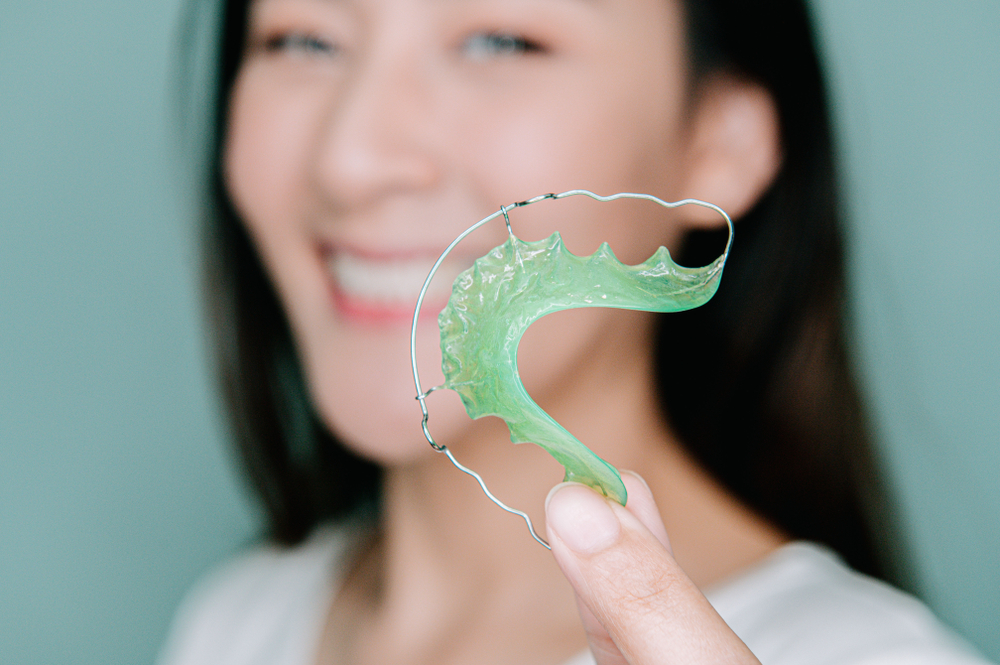
- Hawley retainers (with wires): Can last 5–10 years with proper care.
- Fixed (bonded) retainers: Can last for years but may need occasional repair.
Replacing your retainer as needed is a small investment compared to the cost of redoing orthodontic treatment.
Protecting Your Smile for the Long Term
Retainers may feel like a small step compared to braces or aligners, but they’re one of the most important parts of your orthodontic journey. A few minutes of wear each day ensures that all your time, effort, and investment continue to pay off.
If you’ve stopped wearing your retainer or it no longer fits, don’t wait to act. ARCH Orthodontics can help you get back on track with replacement retainers or short-term touch-up treatment to restore your smile’s alignment. Schedule a free consultation today to protect your results and keep your smile confident for life.