
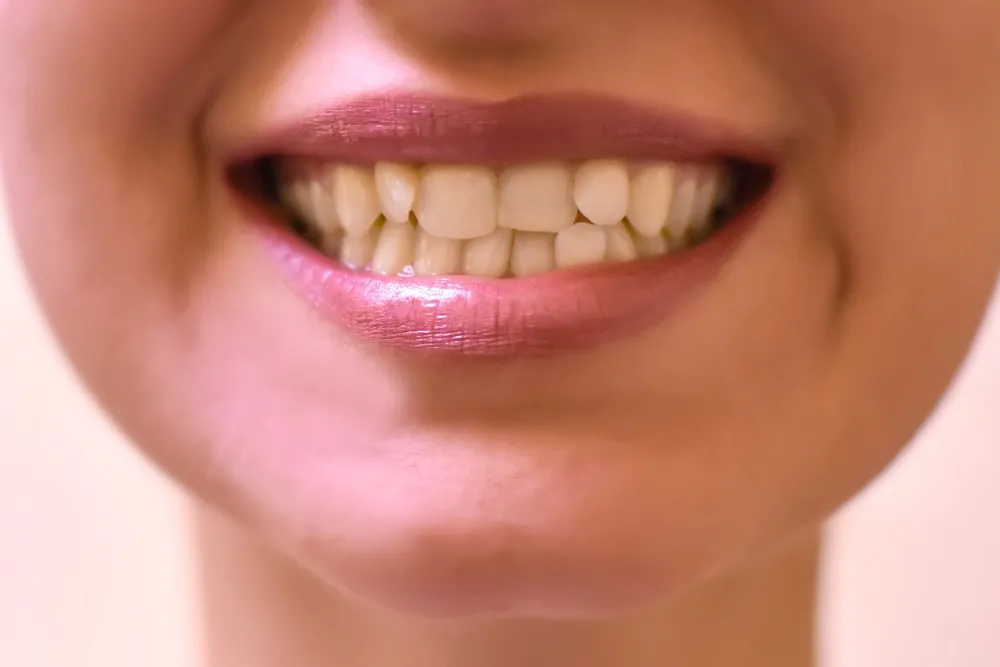
Teeth that are crooked or misaligned are common among both kids and adults. You can have your teeth corrected if you’re not satisfied with how they appear or if they are interfering with your health or speaking ability.
Continue reading to learn about the common causes of crooked or misaligned teeth.
Natural Age-Related Changes
Our bites frequently deepen as we age, and our teeth shift naturally, causing crooked teeth. Because of this, it’s essential to continue getting the results you want after getting braces or Invisalign to use a retainer. You will eventually have a recurrence if you neglect to wear your retainer. Even if you previously didn’t require braces or Invisalign, you might discover that your teeth shift as you age.
Genetics
This is usually one of the common causes of crooked teeth. You could have misaligned teeth if either one of your parents do. While oral habits may occasionally contribute to or exacerbate certain malocclusions, the size or positioning of the jaw is frequently to blame. Genetics determines the proportions of our mouths and teeth, yet these dimensions often differ.
We might, for instance, inherit a smaller jaw from our mother’s side and larger teeth from our father’s side, causing excessive crowding. Or, if the contrary occurs and we get tinier teeth with broader jaws, we will have excessive spacing.
Poor nutrition
Poor nutrition, particularly in youngsters, can result in chronic problems such as dental problems and poor dental growth, which could eventually cause crooked teeth.
Missing permanent teeth not being replaced
It’s crucial to replace a missing permanent tooth with a dental implant or a treatment like a dental bridge if you lose it due to periodontitis, severe decay, an accident, or a medical condition. This is because your remaining teeth will slide into the empty area left by a lost permanent tooth if it is not replaced. This will alter your bite, which may eventually cause crooked teeth.
messed ip teeth, cause of crooked teeth, reason for crooked teeth, why are teeth crooked, poor teeth genetics, teeth getting crooked with age, really messed up teeth, twisted teeth, what causes crooked teeth, crooked teeth causes, messed up teath, jumbled teeth, lopsided teeth, crooked white teeth, crooked teeth treatment, messed up teeth, can teeth become crooked with age, raggedy teeth, why are my teeth getting crooked as i get older, gnarled teeth, can crooked teeth be fixed naturally, irregular teeth treatment, uneven teeth treatment, crooked fangs, crooked molars, how to down teeth naturally, disordered teeth, messed uo teeth, crooked tooth, treatment for crooked teeth, twisted teeth treatment, jacked up teeth, do crooked teeth get worse with age, mest up teeth, do teeth get crooked with age, unstraightened teeth, messed up.teeth, tilted teeth treatment, super crooked teeth, white crooked teeth, teeth getting more crooked with age, causes of misaligned teeth, is it normal to have crooked teeth, crook tooth, crock teeth, arch orthodontics hyannis ma, crooked teeth repair hyde park, arch orthodontics hyannis, what cause crooked teeth, arch orthodontics canton, arch orthodontics canton ma, adults with crooked teeth
Benefits of Early Treatment
Early treatment of crooked teeth can prevent further misalignments and promote proper dental growth. By addressing alignment issues at a young age, children can avoid more extensive treatments in the future, such as braces or Invisalign. Additionally, early intervention can improve oral health and boost self-confidence, leading to a lifetime of healthy smiles.
Orthodontic evaluations for children should begin around the age of seven, as this is when permanent teeth start to come in. Starting treatment early can help guide tooth development and jaw growth, setting the foundation for a straight and healthy smile. By taking proactive steps towards correcting crooked teeth, parents can ensure their child's oral health and overall well-being.
Importance of Retainers
After completing orthodontic treatment like braces or Invisalign, wearing a retainer is crucial to maintain the results. Retainers help prevent teeth from shifting back to their original position and ensure that the alignment remains stable over time. By following the orthodontist's recommendations for retainer wear, patients can enjoy a lasting and beautiful smile.
Retainers are typically worn for a specified amount of time each day, gradually reducing as the teeth stabilize. It is essential to wear retainers as instructed to prevent any relapse and maintain the desired alignment. Good retainer habits, combined with regular dental check-ups, can help patients preserve their straight teeth and avoid the need for additional orthodontic interventions in the future.