
What Is Orthodontic Retention and Why Does It Matter?
Orthodontic retention is the post-treatment phase where retainers hold teeth in their corrected positions while bone and tissue stabilize. Without retention, teeth naturally drift back toward their original positions. This isn’t a flaw in your treatment. It’s simply how teeth behave.
Your braces are off. Your last aligner tray is done. Now what? If you’re wondering how to maintain your results after braces or Invisalign, retention is the answer, and it starts the moment active treatment ends.
Bone and soft tissue around your teeth need time to settle into their new locations. Even after that stabilization period, teeth continue to shift throughout your lifetime. So retention isn’t a temporary step. It’s a lifelong commitment to your smile, whether you’re a teen in Brockton or an adult in Westwood.
How Retention Works: Retainers, Habits, and Ongoing Care
Post-orthodontic retention holds teeth in their corrected positions while surrounding bone and tissue stabilize. Retainers provide this hold and come in two main categories: fixed and removable. Understanding how each type works helps you take better care of your smile.
Fixed retainers are thin wires bonded to the back of your teeth, usually the lower front teeth. They’re invisible, and there’s nothing to remember since they’re always working. The trade-off is that cleaning requires a bit more effort, using threaders or special floss to get around the wire.
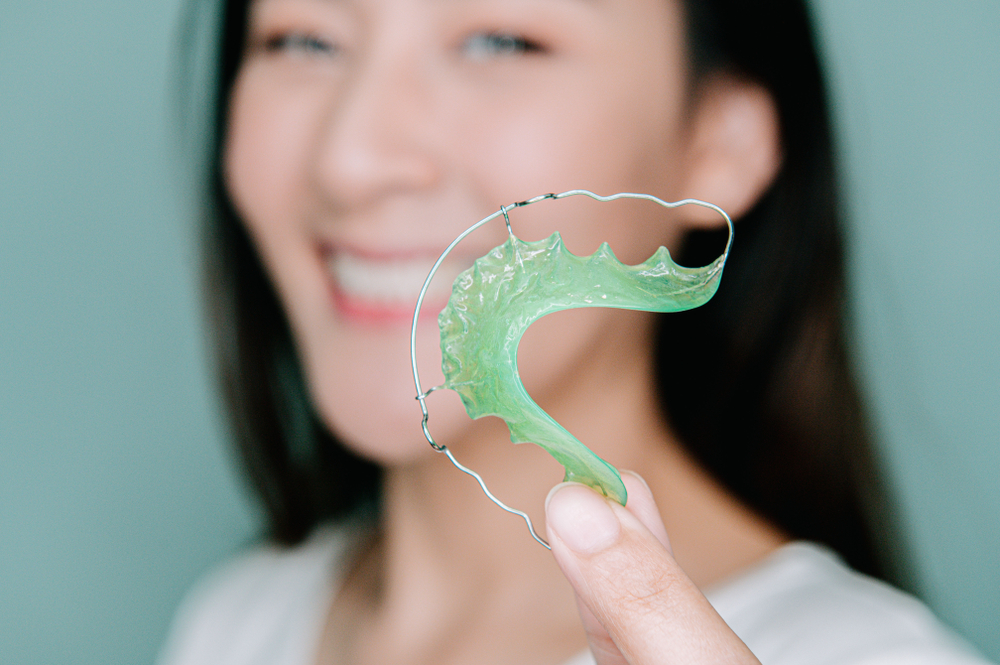
Removable retainers include clear plastic retainers (similar to Invisalign trays) and Hawley retainers (the classic design with a wire across the front and acrylic that rests against the roof of your mouth). These require consistent wear as directed, typically every night.
The first 12 months after treatment are critical. Teeth are most likely to shift during this period because the bone hasn’t fully solidified around the tooth roots. Most orthodontists recommend wearing removable retainers full-time initially, then transitioning to nighttime wear.
Here’s how to care for your retainers properly:
- Clean removable retainers daily with lukewarm water and gentle soap or a retainer cleaning solution
- Never use hot water, as it can warp the plastic and ruin the fit
- Store your retainer in its protective case whenever it’s not in your mouth
- Keep fixed retainers clean by flossing carefully around the wire each day
- Bring your retainer to follow-up visits so your orthodontist can check the fit
Consistency matters more than perfection. Missing one night occasionally won’t undo your results. But skipping weeks at a time? That’s when trouble starts.
Benefits of Proper Post-Orthodontic Maintenance
Proper post-orthodontic maintenance keeps teeth aligned, protects your financial investment, and supports long-term oral health. You put time, money, and effort into your orthodontic treatment. Keeping up with retention ensures you actually get to enjoy the results.
The benefits go well beyond keeping your teeth straight.
How Does Retention Protect Your Investment?
- Financial protection: Retreatment costs significantly more than simply wearing a retainer. A replacement retainer might run a couple hundred dollars, while a second round of braces or aligners could cost thousands.
- Oral health support: Properly aligned teeth are easier to clean, which reduces your risk of cavities and gum disease. A stable bite also prevents uneven wear on your teeth and reduces strain on your jaw joints.
- Lasting confidence: Your smile affects how you feel in photos, conversations, and everyday interactions. Maintaining your results means maintaining that confidence.
Why Does Alignment Support Oral Health?
Teeth that shift can throw off your bite alignment, potentially leading to jaw discomfort or headaches over time. Keeping teeth in their corrected positions supports better chewing function and more even force distribution across your bite.
According to the American Association of Orthodontists (AAO), teeth can shift at any age, which is why retention is considered a lifelong commitment rather than a temporary phase. Research published in the American Journal of Orthodontics and Dentofacial Orthopedics also indicates that without retainers, most patients experience some degree of relapse in the years following treatment.
Fixed vs. Removable Retainers: Which Is Right for You?
Fixed retainers stay bonded behind your teeth for constant protection, while removable retainers offer flexibility but require consistent daily wear. Both types work well. The best choice depends on your specific situation, lifestyle, and preferences.
| Feature | Fixed Retainer | Clear Removable | Hawley Retainer |
|---|---|---|---|
| Visibility | Hidden behind teeth | Nearly invisible when worn | Wire visible across front teeth |
| Compliance needed | None, always in place | High, must remember to wear | High, must remember to wear |
| Cleaning difficulty | Requires floss threaders | Easy, remove and clean | Easy, remove and clean |
| Durability | Can last years, wire may break | May need replacement every 1-2 years | Very durable, adjustable |
| Best for | Lower front teeth, great if you tend to forget retainers | Patients wanting discretion who will wear consistently | Those who need adjustability or long-term durability |
Many patients across our Greater Boston locations benefit from a combination approach. A fixed retainer on the lower teeth provides constant protection where shifting is most common, while a clear removable retainer worn at night covers the upper arch.
The orthodontist handling your case will recommend the best option based on your treatment, your bite, and how your teeth responded during the process. Some cases require more aggressive retention than others, and that’s something only your provider can assess after a thorough evaluation.
What Affects the Cost of Retainers and Retention Care?
Retainers are often included in your overall orthodontic treatment fee, making initial retention costs minimal for most patients. Ongoing costs typically include replacement retainers, fixed retainer repairs, and follow-up visits.
Here’s a quick breakdown of typical retainer costs and replacement timelines:
| Retainer Type | Typical Cost Range | Replacement Frequency |
|---|---|---|
| Clear removable | $150 – $300 per set | Every 1-2 years with regular wear |
| Hawley retainer | $150 – $340 per retainer | Lasts several years, adjustable |
| Fixed retainer | $150 – $500 (bonding) | Repair as needed if wire breaks |
Some costs may come up during the retention phase:
- Replacement retainers: If you lose or damage your removable retainer, you’ll need to pay for a new one. Clear retainers typically need replacement every one to two years with regular wear.
- Fixed retainer repairs: If the wire breaks or comes loose, you’ll need a visit to your practice to have it rebonded. This is usually a quick visit.
- Follow-up visits: Some practices include retention check-ups in the original fee. Others charge separately. Clarify this upfront.
- Insurance coverage: Many dental insurance plans cover at least part of retainer costs, especially if they’re part of your initial treatment. Check your specific plan for details.
Who Needs a Retention Plan? (Hint: Everyone)
If you’ve completed orthodontic treatment, whether braces, Invisalign, or another aligner system, you need a retention plan. No exceptions.
This applies whether you’re 14 or 44. Teens aren’t more prone to shifting than adults. Adult patients aren’t somehow immune because their bones are “set.” Teeth shift at every age, from Bridgewater to Canton and everywhere in between.
Certain patients may need stricter retention protocols:
- Those who had significant crowding or spacing before treatment
- Patients who’ve experienced relapse from previous orthodontic treatment
- Anyone with a history of teeth grinding or clenching
- Patients whose teeth moved quickly during treatment (fast movers tend to be fast shifters)
Each plan accounts for your unique bite, your tooth movement history, and the type of retainer that will serve you best long-term.
Frequently Asked Questions About Maintaining Orthodontic Results
How long do I need to wear my retainer?
Plan to wear your retainer indefinitely, at least at night. Full-time wear is often required during the first year, then nightly wear typically keeps teeth stable after that. Some patients eventually reduce to a few nights per week, but this should only happen with your orthodontist’s guidance.
Can my teeth shift even with a retainer?
Minor settling is normal in the months after treatment. Teeth may shift slightly as your bite fully stabilizes. Significant shifting while wearing your retainer as directed is unusual, though. If you notice major changes, it usually means the retainer isn’t being worn enough or no longer fits properly.
What should I do if my retainer breaks or no longer fits?
Contact your orthodontist right away. Don’t wait to see if it improves on its own. If your retainer doesn’t fit, your teeth have already moved, and every day without retention allows more shifting.
How do I clean my retainer properly?
For removable retainers, rinse with lukewarm water after each use and clean daily with gentle soap or a retainer cleaning solution. Avoid hot water, which warps plastic retainers. For fixed retainers, use floss threaders or a water flosser to clean around the wire.
Is it normal for my retainer to feel tight?
Slight tightness after not wearing your retainer for a night or two is normal and actually a good sign. It means the retainer is doing its job. If your retainer is painful to insert or you can’t get it to seat fully, your teeth may have shifted.
When should I schedule retention check-ups?
Most orthodontists recommend check-ups at regular intervals during the first year after treatment, then annually after that. These visits let your orthodontist confirm that your retainer still fits properly and that your teeth haven’t shifted. Patients at any of our six Greater Boston practice locations can schedule retention check-ups by calling or requesting a visit online.
After all the work you put in, a retainer is what keeps your smile in place. Whether you finished treatment last month or years ago, consistent retention keeps your results intact. If you have questions about your current retainer or need a replacement, reach out to ARCH Orthodontics. We’re happy to help you find a retention plan that fits your life.