
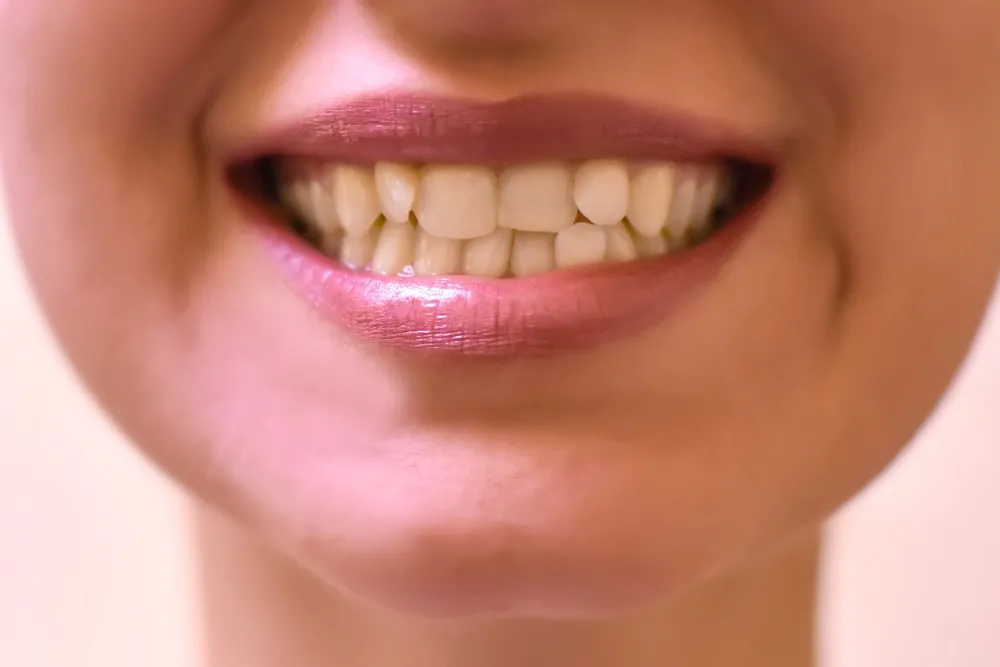
What Causes Teeth to Feel Loose During Orthodontic Treatment?
Teeth feel loose during orthodontic treatment because braces and aligners apply pressure to the periodontal ligament, the connective tissue holding each tooth to the jawbone. This pressure triggers bone remodeling, temporarily reducing stability as teeth shift to new positions. The sensation is completely normal and actually means your treatment is working.
If you’ve noticed your teeth feeling a bit wiggly since starting or , you’re in good company. Most patients at our Greater Boston area practices mention it at some point. Loose-feeling teeth are one of the clearest signs that your orthodontic forces are doing exactly what they should.
So why the wiggly feeling? Teeth aren’t fused directly to your jawbone. They’re held in place by the periodontal ligament, a thin layer of connective tissue that acts like a hammock around each tooth root. When braces or aligners apply gentle pressure, this ligament stretches and compresses, and that’s what creates the looseness you’re noticing. Patients across our six office locations ask about this all the time, and the answer is always the same: it’s expected.
Both traditional braces and clear aligners cause this sensation. You’ll likely notice it most after an adjustment appointment or when you switch to a new aligner tray. The feeling typically peaks within the first day or two, then gradually subsides as teeth settle into their new positions.
Your teeth aren’t damaged during this process. They’re not going to fall out. They’re simply responding to the controlled forces guiding them toward a healthier, more aligned position.
How Bone Remodeling Makes Your Teeth Move
Bone remodeling is the biological process that allows teeth to move during orthodontic treatment. When your orthodontist applies force to a tooth through braces or aligners, specialized cells get to work on opposite sides of the tooth root. This cycle is what makes controlled tooth movement possible.
Here’s a closer look at the two cell types involved:
- Osteoclasts work on the pressure side of the tooth, breaking down small amounts of bone to create space for the tooth to move into
- Osteoblasts work on the tension side, building new bone to fill the gap left behind and stabilize the tooth in its new location
The periodontal ligament plays a key role here. It acts as both a cushion and a communication system, signaling your body to start the remodeling cycle whenever it senses pressure.
This cycle of bone breakdown and rebuilding repeats continuously throughout treatment. Each time your orthodontist adjusts your wires or you switch to a new aligner tray, the cycle restarts. Teeth feel loose during the middle of each cycle, after bone has been removed on one side but before new bone has fully hardened on the other. Teeth move very gradually during active treatment, which gives you a sense of how controlled this process really is.
This biological process is the same whether you’re wearing metal braces, ceramic braces, or clear aligners. The method of applying force differs, but your body responds in exactly the same way.
Think of it like rerouting a trail: the old path fills in while the new one gets packed down. A little messy in the middle, but solid by the end.
Why Loose-Feeling Teeth Are Actually a Good Sign
Yes, loose-feeling teeth are a normal and expected part of orthodontic treatment. Rather than a cause for concern, mild tooth mobility is one of the clearest signs that your treatment is progressing on schedule.
What Does Tooth Looseness Mean for My Progress?
- Active movement is happening. Looseness confirms the orthodontic forces are doing their job.
- Bone remodeling is on track, meaning your body is going through the natural biological process your orthodontist planned for.
- Consistent looseness after each adjustment means steady progress. If you notice a similar level of mobility each time, things are moving along predictably, and most patients find that reassuring once they understand the pattern.
- The degree of looseness can vary from tooth to tooth. Front teeth, which have single roots, sometimes feel more mobile than molars. Perfectly normal.
How Do Retainers Help Stabilize Teeth?
Once active treatment ends, teeth will firm up in their new, corrected positions as bone fully solidifies around them. complete this stabilization process. After braces come off or you finish your last aligner tray, wearing your retainer as directed helps lock everything in place permanently. Without consistent retainer wear, teeth can gradually drift back toward their original positions because the bone hasn’t fully hardened yet.
At every appointment, your orthodontist monitors tooth movement and bone response, checking that everything is progressing safely and adjusting your treatment plan as needed.
Loose Teeth with Braces vs. Invisalign: What to Expect
While the underlying biology is identical, the timing and sensation of tooth looseness can feel different depending on your treatment type.
| Aspect | Traditional Braces | Invisalign Clear Aligners |
|---|---|---|
| When looseness peaks | After wire adjustments or tightening appointments | When switching to a new aligner tray |
| Duration of sensation | Typically a few days after each adjustment | Usually 1-3 days after starting a new tray |
| Intensity | May feel more pronounced due to larger force increments | Often feels more gradual due to smaller movements |
| Frequency | Every 4-8 weeks at adjustment appointments | Every 1-2 weeks with new aligners |
Braces patients often describe a more noticeable looseness right after their orthodontist tightens or changes their wires. That sensation can feel significant for the first day or two, then fades as teeth begin settling.
With Invisalign, the sensation tends to be milder but more frequent. Because aligners make smaller, more incremental movements, the looseness is less dramatic, though you’ll notice it each time you pop in a fresh tray. Patients at our practices across the South Shore and Greater Boston area report that the sensation becomes familiar and less concerning after the first few cycles.
Neither method is more likely to cause worrisome tooth mobility. Both use carefully calibrated forces designed to move teeth safely and effectively.
When Loose Teeth May Need Attention
Certain symptoms warrant a call to your orthodontist, even though some looseness is normal during treatment. Trust your instincts: if something feels off, it’s always better to check in.
Contact your orthodontist if you experience:
- Severe discomfort that doesn’t improve with over-the-counter relievers
- Swelling or bleeding around the gums that persists for more than a day or two
- One tooth that feels significantly looser than the others
- Looseness following trauma like a fall, sports injury, or accident
Pre-existing gum disease can sometimes worsen tooth mobility during . That’s one reason your orthodontist may recommend a dental checkup before starting braces or Invisalign. Healthy gums and bone provide the best foundation for safe, effective tooth movement.
Tips to Support Your Teeth During Orthodontic Treatment
These five habits support healthy bone remodeling and reduce discomfort during orthodontic treatment. These simple steps to help keep your treatment on schedule while minimizing any soreness:
- Choose softer foods after adjustments. Stick to pasta, yogurt, smoothies, and soup for a day or two when teeth feel most sensitive.
- Keep up excellent oral hygiene. Brush after meals and floss daily to keep your gums and surrounding bone healthy. Healthy tissue responds better to orthodontic forces, and it makes your appointments go more smoothly too.
- Avoid hard, sticky, and crunchy foods. Popcorn kernels, hard candy, ice, and chewy caramels can stress teeth that are already mobile and potentially damage your braces. (This one is tough during the holidays, we know.)
- Show up for every appointment. Regular visits let your orthodontist monitor progress and catch any issues before they become bigger concerns.
- Wear your exactly as directed. After active treatment, your retainer is what keeps teeth from drifting back. Consistent wear is essential for long-term results, especially in the first year.
Frequently Asked Questions About Loose Teeth During Orthodontic Treatment
Can braces make my teeth fall out?
No. Orthodontic treatment uses controlled, carefully calibrated forces that move teeth safely through bone remodeling. The looseness you feel is temporary and part of the normal movement process.
How long do teeth feel loose with braces?
Teeth typically feel loose for a few days after each adjustment, with the sensation peaking within 24-48 hours. It then gradually fades as teeth settle and new bone begins forming around them. Most patients find the sensation becomes less noticeable after the first couple of months of treatment.
Will my teeth tighten up after braces are removed?
Yes. Once active treatment ends, bone continues to solidify around teeth in their new positions. Wearing your retainer as directed helps ensure teeth stay stable and firm.
Is it normal for teeth to wiggle with Invisalign?
Absolutely. You’ll likely notice the sensation each time you switch to a new tray, as each aligner is designed to move your teeth slightly further toward their final positions. If you’re feeling that wiggle, your aligners are doing exactly what they’re supposed to do.
Should I call my orthodontist if a tooth feels very loose?
If looseness is accompanied by severe discomfort, swelling, bleeding, or follows an injury, contact your orthodontist right away. Mild looseness without other symptoms is normal. That said, your care team is always happy to answer questions and provide reassurance, so give us a call anytime.
Have more questions about what’s normal during orthodontic treatment? The team at ARCH Orthodontics is here for you from start to finish. Our orthodontists are ready to answer your questions at every stage of your smile care. Learn more or request a free consult at any of our six office locations across the Greater Boston and South Shore area.