
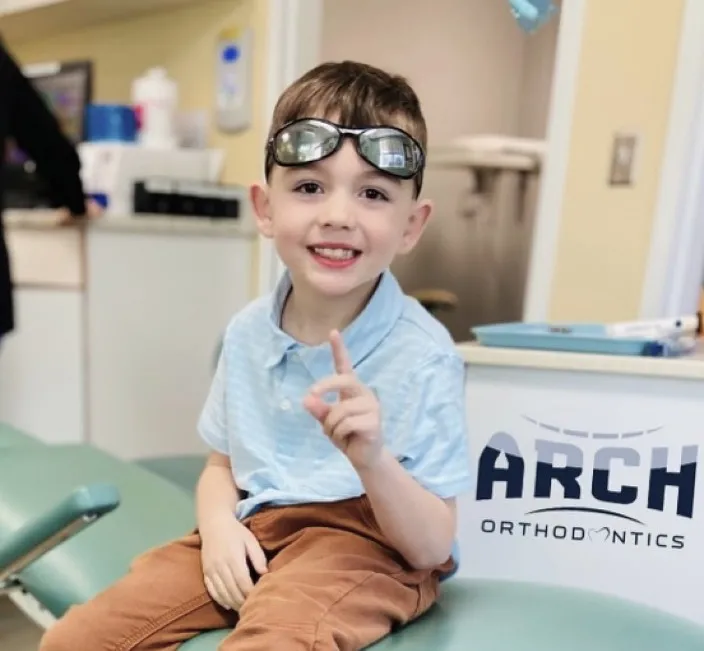
A child’s first orthodontic visit can bring up a lot of questions for parents. Is it too early? What will the orthodontist look for? Does a visit mean braces right away?
For many families, this appointment is less about starting treatment and more about gaining insight. Early orthodontic evaluations are designed to monitor growth, identify potential concerns, and determine whether — or when — treatment might be beneficial.
Understanding what to expect before that first visit can help parents feel confident, informed, and prepared.
When Should a Child See an Orthodontist for the First Time?
Most orthodontic professionals recommend an initial evaluation around age seven. This timing often surprises parents, especially since many children still have baby teeth at that age.
The reason for an early visit isn’t to rush treatment. Instead, it allows the orthodontist to assess jaw growth, bite development, and how permanent teeth are coming in. Some orthodontic issues are easier to guide when a child is still growing, while others simply need monitoring until the time is right.
An early visit creates a baseline — not a treatment commitment.
What Happens During a First Orthodontic Visit?
A first orthodontic appointment is typically straightforward and non-invasive. The focus is on observation and education rather than intervention.
During the visit, the orthodontist will examine your child’s teeth, bite, and jaw alignment. Digital images or X-rays may be taken to see how permanent teeth are developing below the surface. Growth patterns, spacing, and bite relationships are evaluated to identify anything that may benefit from early attention.
Parents are usually walked through the findings in clear, easy-to-understand language, with plenty of time for questions.
Does an Early Visit Mean Braces Right Away?
In most cases, no. Many children who visit an orthodontist at a young age don’t need immediate treatment.
Some children benefit from early, limited treatment — often called interceptive orthodontics — while others simply return for periodic check-ins as they grow. The goal is to time treatment effectively, not start it prematurely.
If no action is needed, parents are reassured and given guidance on what to watch for as their child develops.
Common Issues Orthodontists Look for in Children
Early orthodontic evaluations focus on identifying potential concerns before they become more complex.
- Crowding or spacing issues
- Bite misalignment — overbite, underbite, or crossbite
- Early or late loss of baby teeth
- Jaw growth discrepancies
Early detection doesn’t always mean early treatment — but it does mean better planning.
Why Early Orthodontic Evaluations Can Be Helpful
Seeing an orthodontist early gives parents clarity. Rather than guessing whether something is “normal,” families get professional insight into how a child’s smile is developing.
Early evaluations can:
- Reduce the likelihood of more complex treatment later
- Guide jaw growth during critical stages
- Create space for incoming permanent teeth
- Help avoid tooth extractions in some cases
Even when treatment isn’t needed right away, monitoring growth allows orthodontists to act at the most effective time.
How Parents Can Prepare Their Child for the Visit
A child’s first orthodontic visit is usually stress-free, but preparation helps set the tone.
Parents can explain that the appointment is simply a check-up — similar to a dental visit — and that nothing painful will happen. Keeping expectations calm and positive helps children feel relaxed and curious rather than anxious.
Encouraging questions and reassuring your child that they won’t be getting braces “today” unless specifically discussed can also ease nerves.
What Questions Should Parents Ask?
The first visit is a great opportunity for parents to gather information and understand next steps.
- Is my child’s development on track?
- Are there any concerns to monitor over time?
- When might treatment be recommended, if at all?
- How often should we schedule follow-up visits?
- What signs should we watch for at home?
Clear answers help parents feel confident about their child’s orthodontic roadmap.
Early Treatment vs. Waiting — What’s the Difference?
Not all orthodontic concerns require immediate treatment. In many cases, waiting allows permanent teeth to erupt fully and growth patterns to stabilize.
However, early treatment may be recommended when growth guidance can prevent more serious issues later. This might include addressing jaw discrepancies, severe crowding, or bite problems that could worsen with time.
An orthodontist’s role is to recommend the right approach at the right time — not to rush treatment unnecessarily.
Orthodontic Care Is a Process, Not a Single Visit
It’s important for parents to understand that orthodontic care unfolds over time. A first visit is just the beginning of an ongoing relationship focused on monitoring growth and making informed decisions.
Some children won’t need treatment until their teenage years. Others may benefit from early intervention followed by a second phase later. Both paths are normal and planned carefully to support long-term results.
Building Confidence for Parents and Kids
A child’s first orthodontic visit isn’t about finding problems — it’s about understanding development and planning ahead. When parents know what to expect, the experience feels less overwhelming and more empowering.
Early knowledge helps families make confident decisions and ensures that treatment, if needed, happens at the most effective time.
If you’re considering your child’s first orthodontic visit in Massachusetts, ARCH Orthodontics offers thoughtful, age-appropriate evaluations designed to guide families with clarity and care. Schedule a free consultation to learn more about your child’s smile development and what to expect moving forward.